

Healthy Eating & Living
Nutrition, movement, sleep and stress management affect both cancer risk and your resilience during treatment. This page collects evidence-based advice that genuinely works day to day.
- 150 min moderate activity recommended per week
- 5 portions daily target for vegetables and fruit
- 7 – 9 h sleep recommended for adults
Prevention
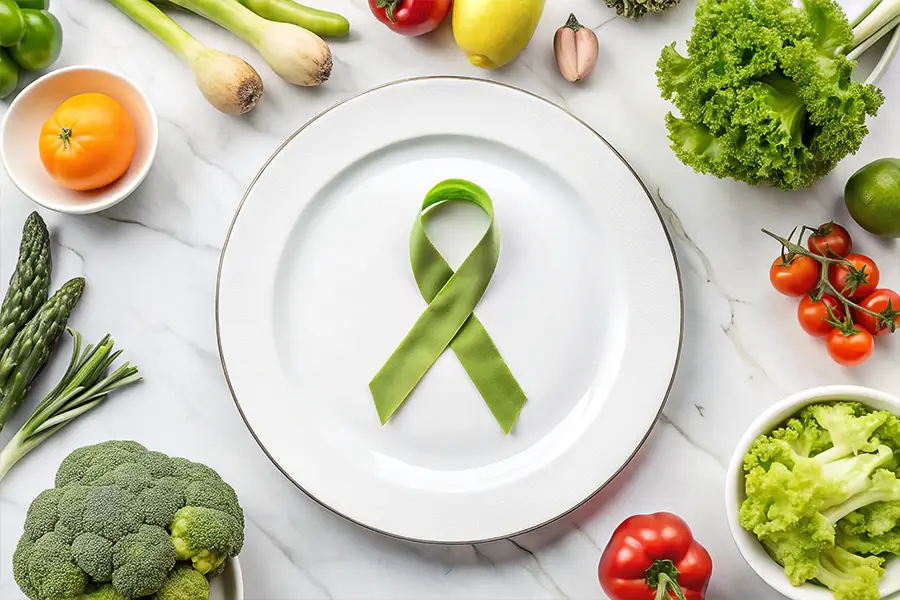
Eating for prevention
No single food protects against cancer; what protects is an overall pattern of eating sustained over years. The evidence that a mostly plant-based diet, low in processed food, reduces cancer risk is strong.
Keeping to a healthy weight is an inseparable part of that picture: excess weight is a known risk factor for many types of cancer.
- At least five portions of vegetables and fruit a day
- A plate built around whole grains, pulses and fibre
- Keeping processed meat to a minimum
- Limiting red meat to a few portions a week
- Choosing water over sugary drinks
- Limiting alcohol — no safe lower limit has been established
- Preferring food over supplements
During treatment
Eating during treatment
The aim changes during treatment: here the priority is preventing weight loss, protecting muscle mass and helping the body cope. Strict diets can be harmful in this period.
Loss of appetite, changes in taste, nausea and mouth ulcers are common. Practical solutions exist for each — do not hesitate to raise eating problems with your doctor or dietitian.
- Eating small amounts more often
- Adding protein to every meal (eggs, yoghurt, pulses, meat)
- Choosing odourless, warm or cold food when nauseous
- Avoiding acidic and spicy food when you have mouth ulcers
- Keeping up fluid intake through the day
- Avoiding raw and undercooked food when immunity is low
- Never taking herbal supplements without asking your doctor — interactions are possible

Movement
Physical activity
Regular movement is one of the few behaviours shown to reduce the risk of several cancers. In patients undergoing treatment it has been shown to lessen fatigue and improve mood and quality of life.
Exercising during treatment is safe for most patients, but the intensity must be set individually. Long periods in bed accelerate muscle loss; a little movement is better than none.
- 150 minutes a week of brisk walking or similar activity
- Muscle-strengthening exercise on two days a week
- Starting with short, frequent walks during treatment
- Avoiding crowded gyms when blood counts are low
- Asking your doctor before starting a new exercise programme

Rest
Sleep
Sleep is one of the things most disrupted during treatment and least often discussed. Pain, medication, anxiety and long daytime rests can all disturb the night.
Adults are advised to aim for seven to nine hours. Disrupted sleep directly worsens fatigue, appetite and mood.
- Going to bed and getting up at the same time each day
- Keeping daytime naps under 30 minutes
- Staying away from screens in the hours before bed
- Avoiding caffeine and heavy meals in the evening
- Keeping the bedroom cool and dark
- Telling your doctor if insomnia persists — it can be treated

Emotional support
Stress and psychological support
A cancer diagnosis affects not only the body but mood and family relationships. Anxiety, anger, a sense of uncertainty and occasional withdrawal are expected parts of the process.
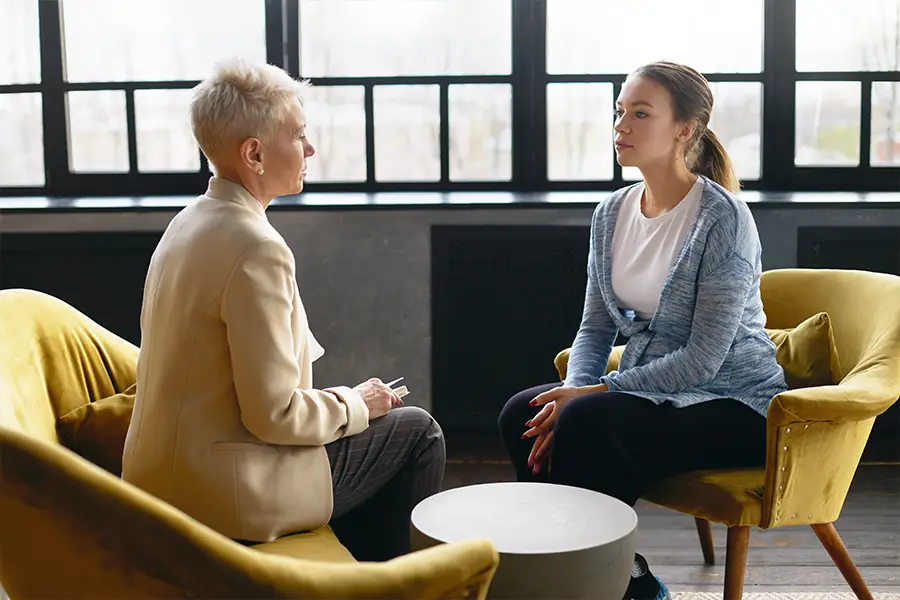
Seeking support is not weakness; it is part of the process. Psycho-oncology support, patient associations and group work are effective resources for patients and relatives alike.
- Naming and sharing feelings rather than suppressing them
- Breathing exercises and relaxation techniques
- Regular time spent outdoors
- Talking with people going through the same thing
- Seeking professional help if changes in sleep, appetite or interest last more than two weeks
- Relatives looking after their own support too
Frequently Asked Questions
Does sugar feed cancer?
This is a common misunderstanding. All cells use glucose, and cutting sugar out of the diet does not starve a tumour. The harm of excess sugar comes through weight gain and the risks that follow — so limiting it is still sensible.
Should I diet during treatment?
No. Trying to lose weight during treatment is generally not advised; the priority is protecting muscle mass and strength. Weight management should be planned with your doctor after treatment is complete.
Are antioxidant supplements helpful?
There is evidence that high-dose antioxidant supplements may reduce the effect of some treatments. Do not take supplements without asking your doctor; antioxidants obtained from food carry no such concern.
Can I exercise during chemotherapy?
For most patients yes, though the intensity must be set individually. Even short walks reduce fatigue. You should avoid crowded places when your blood counts are low — discuss the programme with your doctor.
Do herbal products support treatment?
Many herbal products affect how the liver processes drugs and can change the blood level of your cancer medication. That can reduce its effect or increase side effects. Always ask your doctor before using them.
How can I support someone close to me?
Most of the time the most valuable support is listening rather than advising. Going to appointments, sharing daily tasks and respecting the patient's own decisions are concrete help. Do not neglect your own mental health either.